How to Prepare Your Miami AC for Fall
Published: 2026-07-06 · By TrueGauge HVAC Repairs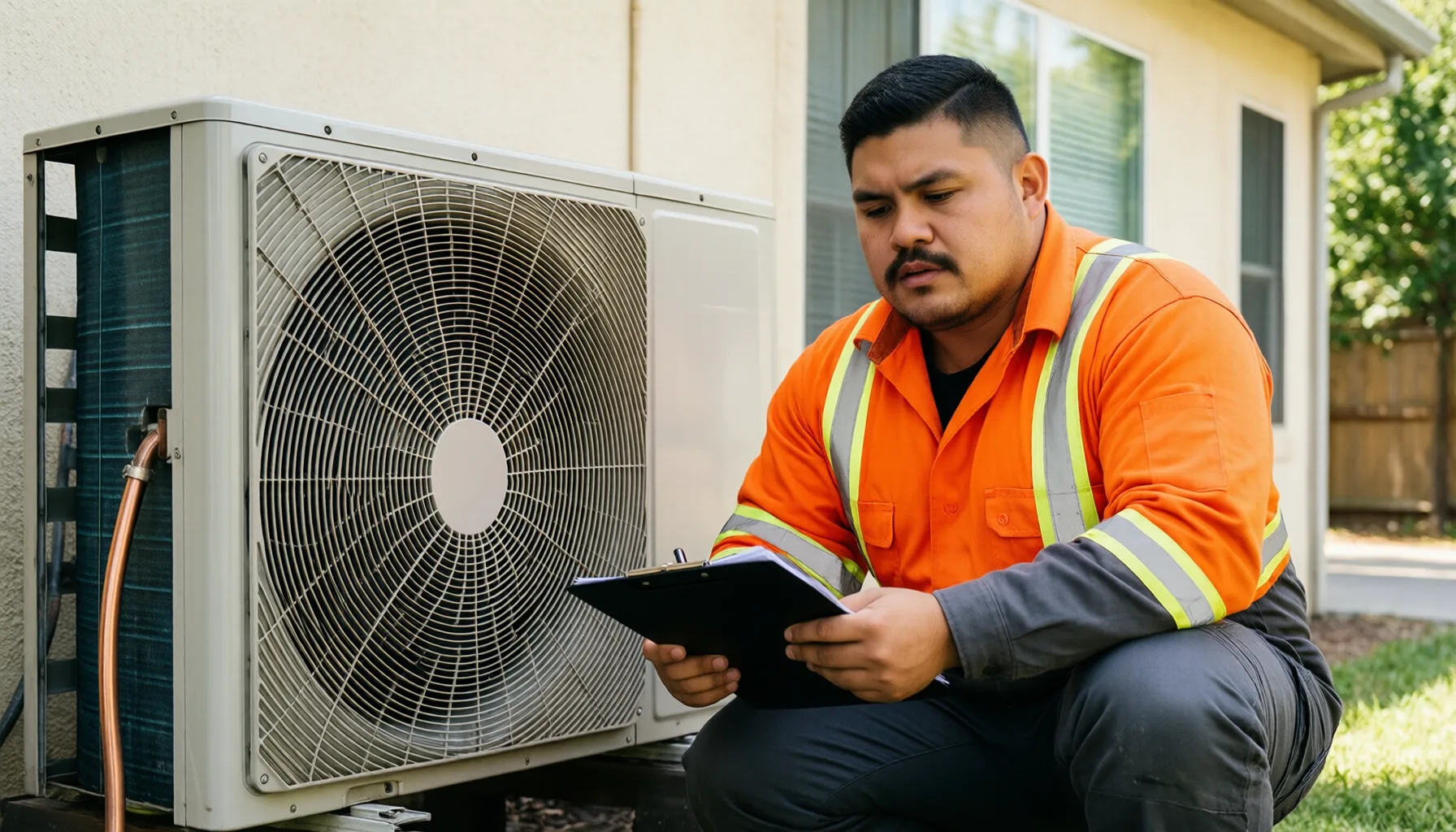
As fall approaches in Miami, avid beachgoers and outdoor enthusiasts begin to switch gears. Yet, while others relish the seasonal change, homeowners often face an essential task: preparing their air conditioning systems for the approaching humidity and tropical storms. The salt air environment in Miami not only wears down your unit but can also lead to unexpected repair costs if not addressed during the transition. A neglected AC system can crank out excessive energy bills and discomfort on those hot days when you expect relief.
Why This Matters for Miami Homeowners
In a region like Miami, where humidity levels soar and salt air is prevalent, air conditioners are put through a rigorous test. This constant strain can lead to premature breakdowns, often when you need cooling the most. The threat of tropical storms isn’t just a seasonal concern; it significantly impacts HVAC systems, especially if they’ve been exposed to damp conditions.
Moreover, non-compliance with moisture barriers in elevated homes means that water damage can wreak havoc on your air conditioning unit. Homeowners must contend with rising repair costs in the aftermath of hurricanes due to neglecting necessary maintenance.
Tip: Before fall, inspect your outdoor unit to ensure that moisture isn’t accumulating or obstructing airflow. Clean out any debris regularly.
Addressing these specific challenges early allows you to focus more on the joys of the season instead of unexpected repairs, a crucial part of maintaining your comfort in a subtropical climate.
Expert Solutions & Actionable Tips
1. Schedule a Comprehensive Inspection
Before the fall weather rolls in, it's wise to schedule a complete inspection of your HVAC system. Professional service typically ranges from $75 to $150 in Miami, but it can help catch issues proactively. Technicians will check refrigerant levels, evaluate the integrity of electrical components, and examine ductwork.
This not only addresses potential problems before they become critical but also ensures optimal efficiency. A professional tune-up usually takes about 1-2 hours and can save you on high energy bills during peak usage.
2. Clean Your Outdoor Unit
Salt air can corrode the exterior components of your AC unit. Therefore, it's crucial to clear away any debris, leaves, or vegetation that may obstruct airflow. A good scrub with a soft brush and some mild detergent can work wonders.
This task takes about 30 minutes and can significantly extend your system's lifespan. Neglecting this step can lead to overheating occurrences, resulting in costly repairs that could have been easily avoided.
3. Change Air Filters Regularly
To keep your system running smoothly, change the air filters regularly. Filters in Miami should be checked every month and replaced every 1-3 months depending on their condition. Quality filters cost between $10 and $30 per unit.
A clogged filter can lead to airflow issues and force your unit to work harder, potentially leading to breakdown during the fall heatwave. Make cleaning a routine part of your seasonal preparation checklist.
4. Seal Ducts and Vents
Duct leaks can cause a significant loss of efficiency in your home’s cooling system. Consider sealing any gaps or leaks before fall arrives. Duct sealing services in Miami usually range from $300 to $800, depending on the extent of the job.
It’s a worthwhile investment to ensure that your HVAC operates efficiently, making a noticeable difference in both comfort levels and energy bills.
5. Examine Electrical Connections
Aided by moisture, electrical connections can wear down and fail, causing immediate issues. It’s best to have a qualified technician inspect your connections, especially around this season when storms are frequent. An electrical check-up costs around $100 and ensures all systems operate safely.
Problems with electrical connections can lead to more significant outages or even fire hazards, making maintenance critical.
6. Prepare for Emergency Repairs
With Miami’s unpredictable weather, it’s a good idea to prepare for unexpected repair needs. Maintaining a list of local emergency HVAC service contacts, like TrueGauge HVAC Repairs, ensures quick resolutions. It’s smart to set aside a repair budget of $150 to $500 for potential emergencies.
Promptly addressing issues can avoid costly repairs later and ensure your unit is ready to handle the seasonal demands.
Miami Climate & Local Context
Miami’s climate lays a heavy burden on HVAC systems, primarily with consistently high humidity and the incessant corrosiveness of the salt-laden air. Homes built close to the coastline often incorporate elevated designs and moisture barriers to mitigate water damage, which can have a significant impact on an air conditioning unit's longevity and efficiency.
Local building codes often dictate specific materials and methods for installation and repairs. Miami residents must ensure compliance with these regulations to avoid fines and ensure effective cooling. Regular inspections aligned with local guidelines can make the difference between a functioning system and one that frequently fails.
When to Call a Professional
In many instances, homeowners might feel empowered to take a DIY approach to minor AC issues such as replacing filters or cleaning debris. However, some situations unquestionably warrant professional intervention. Here’s when to call in the experts:
- Your system is not cooling evenly.
- Water is pooling around the unit.
- Strange sounds are emanating from the HVAC unit.
- There’s a burning smell when operating.
- You notice a spike in energy costs with no apparent reason.
- Your thermostat is unresponsive.
If any of these red flags appear, consulting with an experienced HVAC technician can prevent small issues from becoming overwhelming predicaments, especially given Miami's turbulent weather.
Frequently Asked Questions
What should I do first if my AC stops working?
If your air conditioning stops working, first check your thermostat settings to ensure they are correct. If everything seems fine, inspect the circuit breaker for any tripped switches. If you still have issues, it's time to contact a professional.
How often should I maintain my air conditioning system?
In Miami, your AC system should be serviced at least once a year. However, two inspections per year are ideal due to high humidity and salt air effects.
What causes my AC to freeze up?
A frozen AC unit is often due to low refrigerant levels or airflow issues. This condition can become more frequent in Miami’s humid weather, necessitating timely professional evaluation.
How can I improve my AC efficiency?
Regular maintenance, including changing filters, clearing dirt around the unit, and checking ductwork for leaks can significantly improve efficiency, particularly in the humid Miami environment.
Can I install a new AC unit myself?
Though DIY installation might seem appealing, air conditioning systems are highly technical. It's advisable to hire qualified technicians to ensure compliance with local codes and optimal installation.
Get Expert Air Conditioning Repair Service in Miami
As fall approaches, don't overlook the importance of preparing your AC system for Miami's unique challenges. For reliable service and expert repairs, reach out to TrueGauge HVAC Repairs today.
Contact us at (305) 404-9524 to ensure your home remains a cool sanctuary during the fall months.