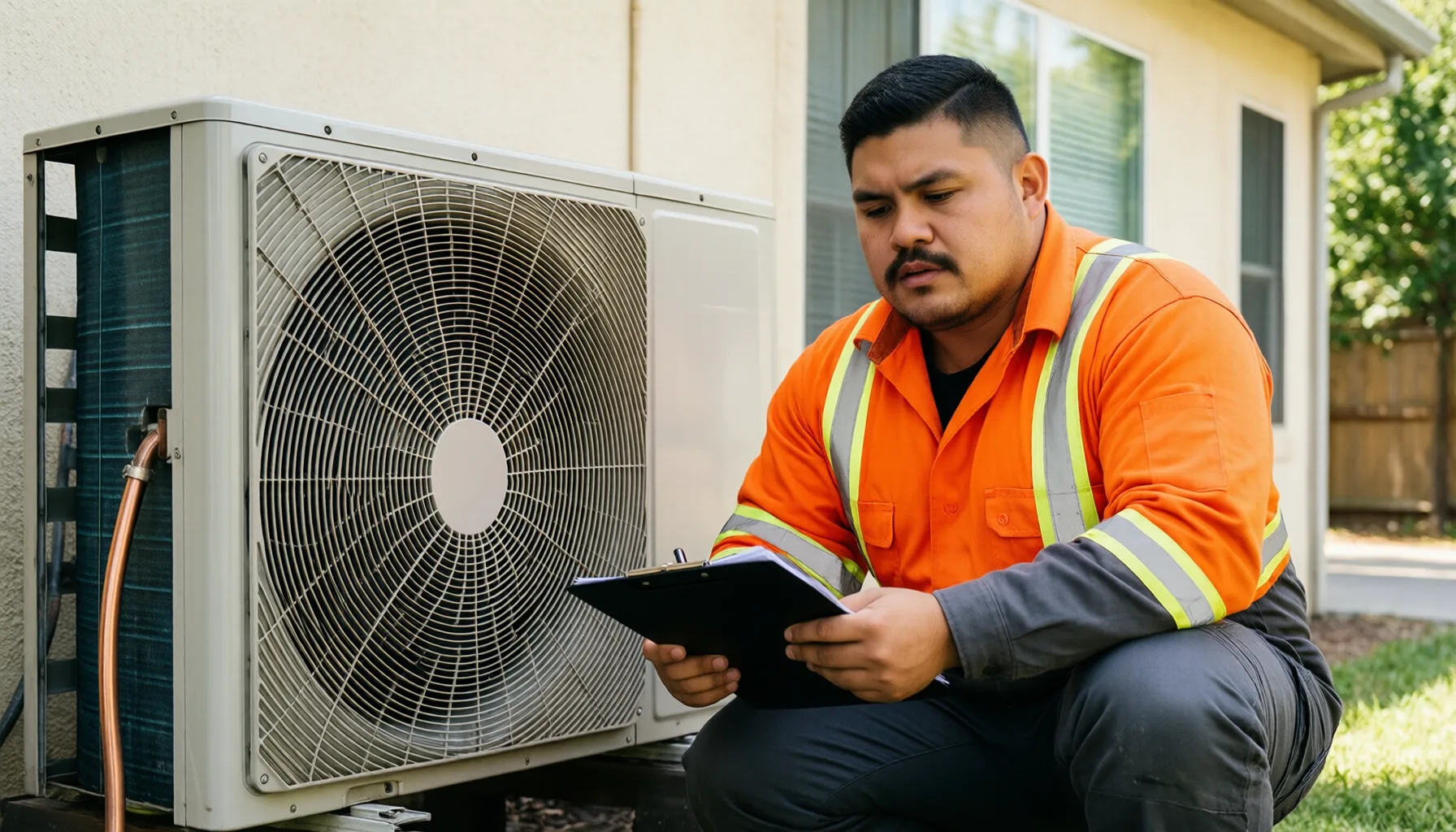
Top 3 AC Problems Miami Homeowners Report Every Spring
Published: 2026-07-06 · By TrueGauge HVAC Repairs
Spring in Miami brings warmth and humidity, making it essential for homeowners to ensure their air conditioning units are up to par. As the temperature begins to rise, so does the toll on your AC system. Many homeowners notice problems as their units struggle to keep up with the sweltering heat and moisture in the air. Imagine returning home after a day out, only to be greeted by an uncomfortable, sticky atmosphere because your air conditioning system has failed. Such scenarios are all too common during this time of year, primarily due to the unique challenges posed by our local climate.
Why This Matters for Miami Homeowners
In Miami, the tropical climate presents several challenges for air conditioning systems, especially as spring transitions into summer. Among the most common issues reported, homeowners often face inadequate cooling—an indication that their units may be struggling to cope with high humidity levels. This could stem from refrigerant leaks or malfunctioning thermostats.
Additionally, blocked air filters are another frequent problem. With the heavy salt air, filters can become clogged quickly, impairing the system's efficiency. Homeowners often neglect regular maintenance, which can exacerbate this issue.
Finally, many experience electrical failures in their AC units. Frequent storms can lead to power surges, impacting the system's components. Understanding these issues is crucial for Miami residents, who rely on their air conditioning as a sanctuary from the oppressive weather.
Expert Solutions & Actionable Tips
1. Monitor Your Refrigerant Levels
Maintaining the correct amount of refrigerant is vital for your AC's performance. In Miami's climate, it's advisable to check these levels regularly, especially during spring. A refrigerant refill may cost between $150 and $300, depending on the type of refrigerant used. If you notice inadequate cooling or hissing sounds, it’s likely time to have this checked.
2. Change Your Air Filters Frequently
Given the high humidity and salt air in Miami, air filters should be changed every 1-2 months for optimal performance. Clogged filters make your HVAC system work harder, leading to potential breakdowns. Replacing an air filter typically costs around $15 to $50, a minimal investment compared to the repair costs of a damaged unit due to neglect.
3. Invest in Regular Maintenance
Scheduling regular maintenance can prevent aggravating issues. A typical tune-up costs between $75 and $150 and can avert costly repairs in the long run. Technicians can identify problems before they escalate, ensuring you remain cool during the hottest days of spring.
4. Seal Ductwork Properly
In Miami, sealing your ductwork is crucial to maintain energy efficiency. Poor sealing can lead to expensive energy bills—not to mention uncomfortable living conditions. A sealed duct system could enhance efficiency by up to 30%. Expect to spend around $300 to $500 for professional duct sealing services.
5. Install Surge Protectors
Power surges during tropical storms can damage your HVAC system. Installing a surge protector will safeguard your AC. The cost for surge protectors can range from $200 to $400, a small price compared to the expenses of repairing damaged electrical components of your AC.
6. Consider Dehumidifiers
Adding a dehumidifier can significantly improve indoor comfort. This is especially helpful in Miami's humid climate as it works to reduce moisture levels in your home. The investment for a whole-home dehumidifier may be between $1,000 and $2,500, which can lead to better AC performance and lower energy costs.
Miami Climate & Local Context
Miami's climate drastically influences its building stock and requirements for effective air conditioning. Homes in the area commonly feature elevated foundations, which are designed to mitigate moisture accumulation caused by flooding or high humidity. This architectural choice is key, but it also means homes often require additional moisture barriers to protect HVAC systems from corrosion.
Furthermore, the local building codes reflect the need for systems capable of handling the demanding weather conditions. Many buildings are equipped with specialized AC units that consider the area's high salinity levels, helping to extend the life of the system components. Navigating these requirements is essential for any homeowner who wants reliable cooling during the sweltering Miami summers.
When to Call a Professional
Knowing when to call in a professional is essential for Miami homeowners. While some minor fixes can be handled as DIY projects, certain indicators suggest you should seek expert help. For instance, if your AC is leaking water, it could indicate a serious problem.
Other scenarios include strange noises coming from the unit, inconsistent temperature levels throughout different rooms, frequent on/off cycling of the system, or odd smells emanating from the AC. These are signs that should never be ignored.
- Water pooling around the unit
- Weird sounds, such as grinding or hissing
- Inconsistent airflow
- Unpleasant odors from the vents
- Frequent system cycling
- High energy bills without explanation
Frequently Asked Questions
What causes my AC to freeze during spring?
In Miami, high humidity and clogged filters can lead to frozen coils. It’s important to address air flow issues promptly to prevent more extensive damage.
How often should I schedule maintenance for my AC unit?
Ideally, Miami homeowners should have their AC units serviced at least twice a year, preferably in spring and fall, to ensure optimal performance year-round.
Can I just fix my AC myself?
Minor tasks like replacing a filter can be done by homeowners. However, for more complex issues, it’s wise to consult a professional to avoid creating bigger problems.
What is the average lifespan of an AC unit in Miami?
In Miami's humid environment, the average lifespan of an air conditioning unit is typically around 10-15 years, contingent upon proper maintenance and care.
Why is my AC making a strange noise?
Strange noises can indicate various issues such as loose components or motor problems. It's recommended to consult a technician if you hear unfamiliar sounds from your unit.
Get Expert Air Conditioning Repair Service in Miami
Don't let spring's warmth catch you off guard. If you notice any signs of AC trouble, reach out to TrueGauge HVAC Repairs for expert assistance. We understand Miami's unique climate and are here to ensure your home stays cool and comfortable.
For reliable air conditioning repair, call (305) 404-9524 today and experience the service you can trust from TrueGauge HVAC Repairs.