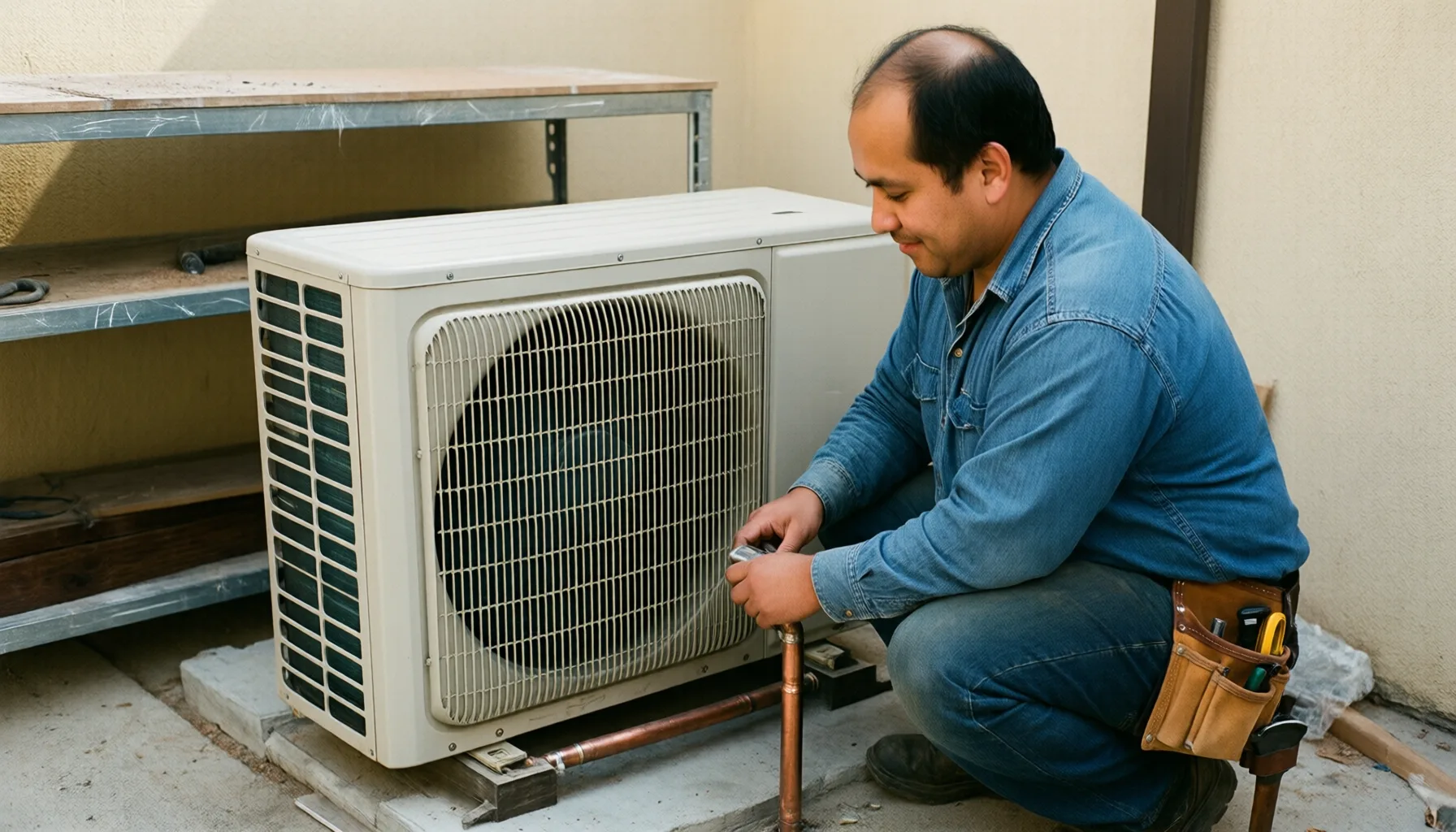
Top 10 AC Problems Miami Homeowners Report Every Summer
Published: 2026-07-06 · By TrueGauge HVAC Repairs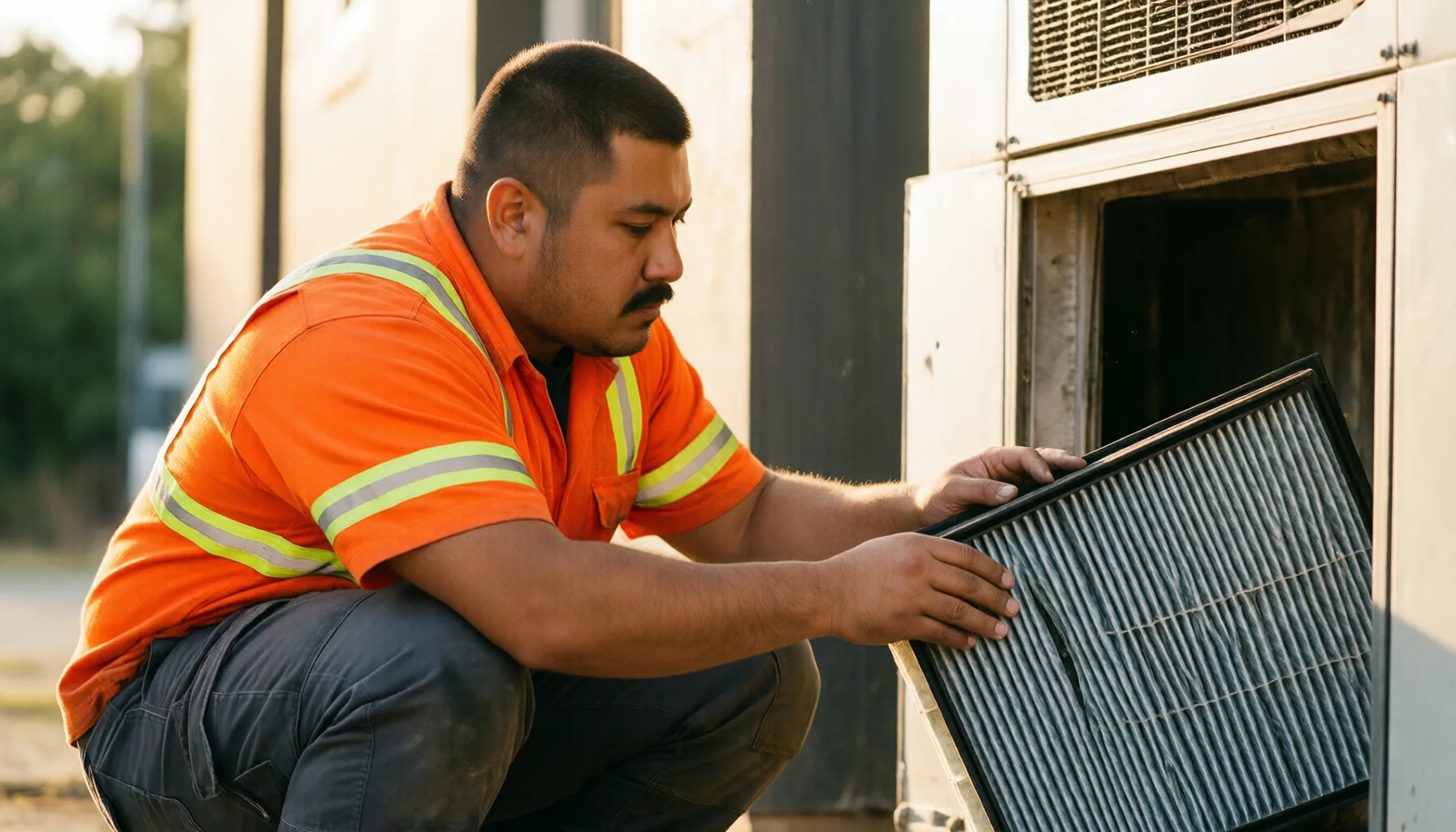
Summer in Miami can be a beautiful yet humid experience, but it also brings challenges, especially for homeowners relying on air conditioners. With high humidity and tropical storms on the horizon, your AC system can be pushed to its limits. Imagine returning home after a day at the beach only to find your living room warmer than the outside temperature. Not an ideal scenario, right? As the heat rises, so do the number of issues reported by homeowners. Understanding these problems is crucial to keeping your home cool when the tropical weather hits.
Why This Matters for Miami Homeowners
During Miami's hot and sticky summers, air conditioning systems are called into action more than ever. Issues arise due to high humidity levels, which can lead to moisture buildup in the system, causing it to work harder and less effectively. Homeowners often notice reduced airflow or odd noises, both indicators that something may be off. In addition, typical wear can be exacerbated by the corrosive salt air that blows in from the coast, leading to premature failure of metal components.
Then there's the threat of tropical storms and hurricanes, which can cause power outages and strain on cooling systems. If an AC unit hasn't been properly maintained, it can break down precisely when you need it the most. This has a direct impact on your comfort and can lead to costly repair bills. Keeping your air conditioning system in optimal condition is vital.
Homeowners should also monitor their AC for unusual odors, which can indicate mold growth—an unfortunate side effect of Florida’s humidity.
Expert Solutions & Actionable Tips
1. Regularly Inspect Your Air Filter
Changing your air filter should be a regular task for homeowners. In Miami, where dust and humidity are prevalent, filters can become clogged quickly. It's recommended to check filters every month and replace them every 1-3 months to keep airflow steady. While a basic filter costs about $15, neglecting it can strain your system and lead to costly repairs down the line.
Change your filter before the summer peak to ensure optimal performance. A clean filter not only helps in maintaining efficiency but also improves indoor air quality, which is especially important during the humid season.
2. Monitor Your Thermostat Settings
Ensure your thermostat is functioning correctly. Many Miami homeowners may overlook this simple aspect. Set your thermostat to a comfortable temperature, and if you find that your AC is not cooling as expected, consider upgrading to a smart thermostat that can help optimize your energy usage. These devices range from $100 to $300, giving you the flexibility to manage your cooling costs better.
A smart thermostat can adapt to your schedule, which means less energy wasted when you’re not at home.
3. Clean the AC Coils
Cleaning the evaporator and condenser coils can significantly impact your AC’s efficiency. Dust and salt residue from the coastal air can accumulate, making it difficult for the system to cool effectively. This task can easily be done in a few hours, and you’ll just need some cleaning solution and a garden hose. The cost for professional cleaning might range from $100 to $200 but pays off by improving lifespan and efficiency.
Make it a part of your annual maintenance routine to prevent clogs from forming.
4. Seal Ducts and Leaks
Air leaks can reduce your AC's efficiency by as much as 20%. Take the time to inspect your ducts for loose connections and gaps, particularly in areas like attics or crawl spaces. Sealing them can be a DIY task if you're handy and might cost you a sealant tube for under $10. If you prefer professional help, expect to pay between $300 and $500 for a complete duct sealing service.
A well-sealed system reduces strain on your AC and can save you money on your electricity bill.
5. Consider HVAC Maintenance Plans
Investing in an HVAC maintenance plan can help catch issues before they become serious problems. Most local companies, including TrueGauge HVAC Repairs, offer plans starting at around $150 annually. This ensures your AC is serviced regularly and can potentially save you money on repairs caused by negligence.
Having a maintenance plan also provides peace of mind during storm season, knowing your system is ready to handle the heat.
6. Prepare for Hurricane Season
With hurricane season looming over Miami, it’s critical to ensure your AC unit is secured. This might mean keeping it covered or elevating outdoor units to avoid flood damage. While securing your outdoor unit may cost less than $50, neglecting this could lead to expensive repairs after a storm.
Consider investing in a high-quality cover for your unit, which will help protect it against high winds and debris.
Miami Climate & Local Context
Miami's climate is characterized by high humidity and warm temperatures, creating an environment that can affect air conditioning systems significantly. Properties built in coastal areas often face unique challenges from salt air, accelerating the corrosion of metal materials and contributing to the degradation of HVAC systems. Moisture barriers are essential in homes, particularly those elevated to mitigate flooding risks. Builders often incorporate specific designs to address these local challenges.
Moreover, understanding local building codes is crucial for any AC repair work. Miami-Dade County has specific regulations that ensure HVAC installations are done to withstand both humidity and storm conditions, protecting your investment and keeping your family comfortable during the sweltering summer months.
When to Call a Professional
Making decisions about whether to DIY or call a professional can be daunting. Basic maintenance tasks can often be handled by homeowners, but there are certain indications that an experienced technician should be consulted. Obvious problems, such as water leaks, unusual noises, or an AC that won't turn on, often indicate underlying issues that require professional expertise.
Additionally, it’s crucial to understand your limits. If you lack experience with electrical or refrigerant components, reach out to a pro. Here are some red-flag scenarios for when to call TrueGauge HVAC Repairs:
- Frequent cycling on and off
- Unpleasant odors emanating from the unit
- Increased energy bills without changes in use
- Inconsistencies in temperature between rooms
- Visible signs of corrosion on components
- Diagnostics fail to solve the issue after basic checks
Frequently Asked Questions
What are common signs that my AC needs repairs?
Common signs include warm air blowing from vents, unusual noises, increased humidity indoors, or a sudden spike in energy bills, all of which should prompt you to consult TrueGauge HVAC Repairs.
How often should I schedule maintenance for my AC?
In Miami, it's advisable to have your AC system serviced at least once a year, preferably before the summer heat peaks.
Can I install an AC unit myself?
While some installation is manageable for DIY enthusiasts, installing a unit in accordance with local codes and ensuring proper connections is best left to professionals like TrueGauge HVAC Repairs.
What size AC unit do I need for my home?
Calculating the appropriate size depends on square footage and specific cooling needs; a licensed technician can provide an accurate assessment, ensuring your system operates efficiently.
Are there energy-efficient AC options available?
Yes, many models offer improved energy efficiency; consulting with TrueGauge HVAC Repairs can help you choose the right system tailored to your needs and budget.
Get Expert Air Conditioning Repair Service in Miami
With summer just around the corner in Miami, ensuring your air conditioning system is in top shape is vital. Don’t wait for problems to arise; take preemptive steps now! If you suspect your AC needs attention, call (305) 404-9524 to speak with TrueGauge HVAC Repairs today.
Our team understands Miami's unique challenges and is prepared to help keep your home cool and comfortable this summer.